

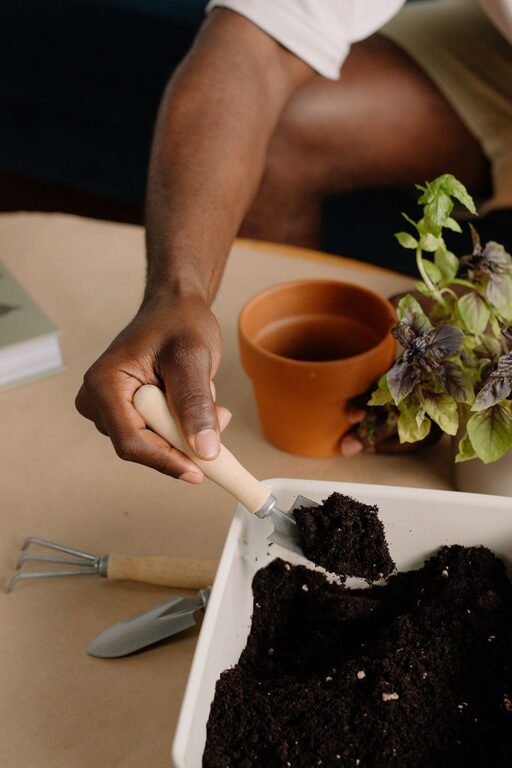
Starting a small herb garden indoors is a rewarding and enjoyable way to bring fresh flavors to your cooking and add a touch of green to your home. Whether you have a spacious kitchen or just a small windowsill, growing herbs indoors is possible with the right approach. This guide will walk you through everything you need to know to set up your own indoor herb garden successfully.
Why Grow Herbs Indoors?
Growing herbs indoors offers many benefits:
– Fresh herbs are always within reach for cooking.
– Indoor gardening can improve air quality.
– It’s a fun, stress-relieving hobby.
– Herbs can brighten up small spaces and add natural décor.
Plus, indoor herb gardens are ideal for people with limited outdoor space or those living in climates where it’s hard to garden year-round.
Choosing the Right Herbs for Indoor Gardening
Not all herbs thrive indoors, so it’s best to start with easy-to-grow varieties that adapt well to indoor conditions. Some popular options include:
– Basil: Loves sunlight and warmth, perfect for kitchen use.
– Mint: Very hardy and grows rapidly; keep it contained to prevent spreading.
– Parsley: Tolerates moderate light; great for seasoning dishes.
– Chives: Require less direct sunlight and can flourish on a windowsill.
– Thyme: Drought-tolerant and easy to maintain indoors.
– Oregano: Prefers bright light and well-drained soil.
Start with a few favorites and expand your garden once you get comfortable.
Selecting Containers and Soil
Containers
Choose containers that have good drainage holes to prevent waterlogging. Options include:
– Small pots made of terracotta or ceramic
– Recycled containers with drainage modifications
– Herb gardening kits with built-in drainage trays
Size matters—a pot about 4 to 6 inches in diameter works well for most herbs. Avoid overly large containers as they can lead to excess soil moisture.
Soil
Use a high-quality potting mix designed for indoor plants. Herb-specific potting soil or a mix that drains well and retains moisture is ideal. Avoid using garden soil, which may be too dense and can introduce pests.
Setting Up Your Indoor Herb Garden
Step 1: Pick the Location
Most herbs need around 6 to 8 hours of sunlight daily. Place your garden near:
– A south or west-facing window
– Under a grow light if natural light is limited
Ensure good air circulation but avoid placing pots near cold drafts or heating vents.
Step 2: Planting Seeds or Seedlings
You can start herbs either from seeds or buy small seedlings from a nursery.
– Seeds: Follow packet instructions. Generally, sprinkle seeds over soil and cover lightly.
– Seedlings: Transplant gently into your pots with some soil around the roots.
Water lightly after planting to settle the soil.
Step 3: Water and Care
– Water herbs when the top inch of soil feels dry.
– Avoid overwatering, which can cause root rot.
– Mist plants occasionally if your home is very dry.
– Fertilize every 4 to 6 weeks with a balanced, water-soluble fertilizer at half strength.
Step 4: Prune Regularly
Trim herbs frequently to encourage bushy growth and prevent legginess. Snip leaves as you use them, and remove dead or yellowing foliage.
Tips for Success
– Rotate pots weekly to ensure even light exposure.
– Use trays to catch excess water and protect furniture.
– Label your plants to keep track of different herbs.
– Watch for pests like aphids or spider mites; treat promptly if noticed.
– Harvest leaves in the morning for the best flavor.
Troubleshooting Common Issues
– Yellow leaves: Usually a sign of overwatering or poor drainage.
– Leggy growth: Often caused by insufficient light; move plants closer to light.
– Slow growth: Check soil quality and fertilizer schedule.
– Wilting: Water immediately, but ensure soil is not waterlogged.
Harvesting and Using Your Herbs
Harvest herbs by pinching off leaves or cutting stems above a leaf node. This encourages new growth. Use fresh herbs in salads, soups, sauces, and teas to elevate your dishes with homegrown flavors. You can also dry or freeze extra harvest for later use.
Final Thoughts
Starting a small herb garden indoors is simple and rewarding with a little planning and care. From choosing the right herbs and containers to providing adequate light and water, each step helps your indoor garden thrive. With fresh herbs at your fingertips, cooking becomes easier and more flavorful—and your home feels a bit greener and more vibrant.
Ready to create your own indoor herb oasis? Gather your pots, seeds, and soil, and enjoy the process of growing fresh greens right in your home. Happy gardening!