

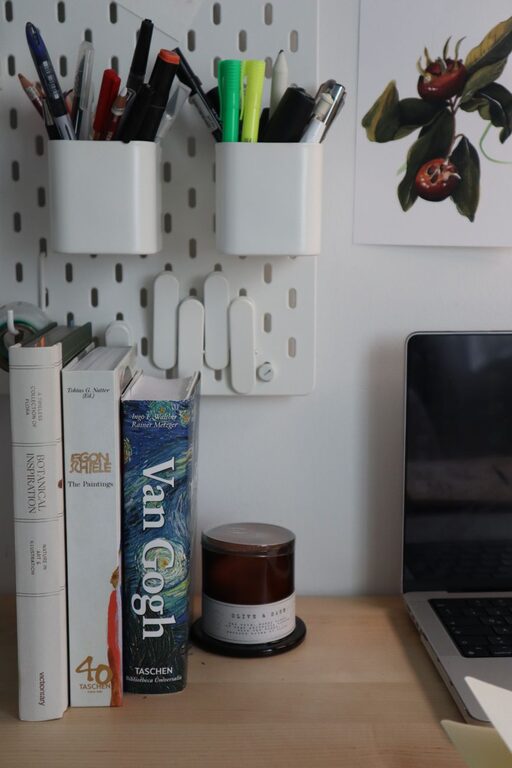
Paper clutter is one of the most common challenges in many households. From mail and bills to receipts and school papers, piles of paper can quickly accumulate and create a disorganized, stressful environment. Fortunately, managing paper clutter doesn’t have to be overwhelming. With a few simple strategies, you can reduce paper buildup, improve your home’s tidiness, and maintain a more peaceful space.
In this post, we’ll explore practical and straightforward ways to tackle paper clutter effectively.
Why Paper Clutter Happens
Before diving into solutions, it helps to understand why paper clutter piles up:
– Daily inflow: Regular mail, school projects, flyers, and receipts add up quickly.
– Lack of systems: Without designated places or routines, papers tend to get scattered.
– Sentimental value: Old cards, notes, and documents can be hard to part with.
– Procrastination: Putting off sorting and filing papers makes the mess grow.
By identifying these causes, you can address them with tailored strategies.
Create a Paper Sorting Station
Setting up a dedicated area for incoming paper helps manage the flow right away.
How to set it up:
– Choose a spot near your entryway or where mail arrives.
– Use trays, baskets, or folders labeled “To Do,” “To File,” and “To Recycle.”
– Make it a habit to sort incoming papers daily or every couple of days.
This simple system keeps papers from piling up randomly and makes sorting more manageable.
Go Digital Whenever Possible
Reducing the amount of physical paper starts with making digital a priority.
Tips to go paperless:
– Opt for electronic bills, statements, and receipts.
– Scan important documents and save them in organized folders on your computer or cloud storage.
– Use apps designed for note-taking and document storage instead of paper notebooks.
– Unsubscribe from junk mail and catalogs you no longer want.
Going digital not only cuts down paper clutter but also makes documents easier to search and access.
Practice Regular Decluttering Sessions
Set aside time regularly to review and clear out unnecessary papers.
How often?
– Monthly or quarterly sessions work well.
– Use these sessions to shred, recycle, or file documents appropriately.
What to keep?
– Keep only important papers like tax documents, warranties, and legal papers.
– Follow guidelines for how long to keep certain documents (e.g., receipts under $100 can often be discarded after a year).
Regular decluttering prevents papers from building up over time.
Use Functional Storage Solutions
Organizing papers into designated storage helps keep your space clutter-free.
Storage ideas:
– File cabinets or portable file boxes with labeled folders.
– Magazine holders for brochures, manuals, and school papers.
– Clear document sleeves or binders for important paperwork.
– Desk organizers for daily use papers.
Labeling folders clearly makes it easier to find what you need and put papers away quickly.
Handle Mail with Intention
Mail is often the largest source of household paper clutter. Try these habits:
– Sort mail standing up by the door as soon as you bring it in.
– Immediately recycle junk mail.
– Open, read, and act on important mail on the same day.
– Shred sensitive documents you don’t need to keep.
These small habits reduce mail buildup and keep your counters clear.
Limit Paper Keepsakes
Many people hold on to papers for sentimental reasons, but there are ways to keep memories without clutter.
– Take photos or scan cards, notes, and kids’ artwork before recycling.
– Store digital copies in folders organized by year or event.
– Select a small keepsake box for physical items you want to keep.
This allows you to preserve memories without piles of paper.
Set Up a Family Paper Routine
Clutter often involves more than one person. Make paper management a family affair.
– Teach family members where and how to put away papers.
– Use a shared calendar or bulletin board for important papers like school notices or bills.
– Encourage kids to bring home only necessary papers and review them regularly.
A team effort ensures paper clutter stays under control.
Quick Tips to Maintain Low Paper Clutter
– Don’t let newspapers or magazines pile up; recycle old issues regularly.
– Keep a small shred bin near your sorting station.
– Use sticky notes or digital reminders to reduce the need for paper notes.
– Schedule yearly reviews to purge old files and update storage.
Conclusion
Reducing household paper clutter is achievable with simple, consistent habits. By sorting papers as they come in, going digital, decluttering regularly, and using smart storage solutions, you can maintain a tidy and welcoming home environment. Start with one or two of these tips today and enjoy the benefits of a clutter-free space.