

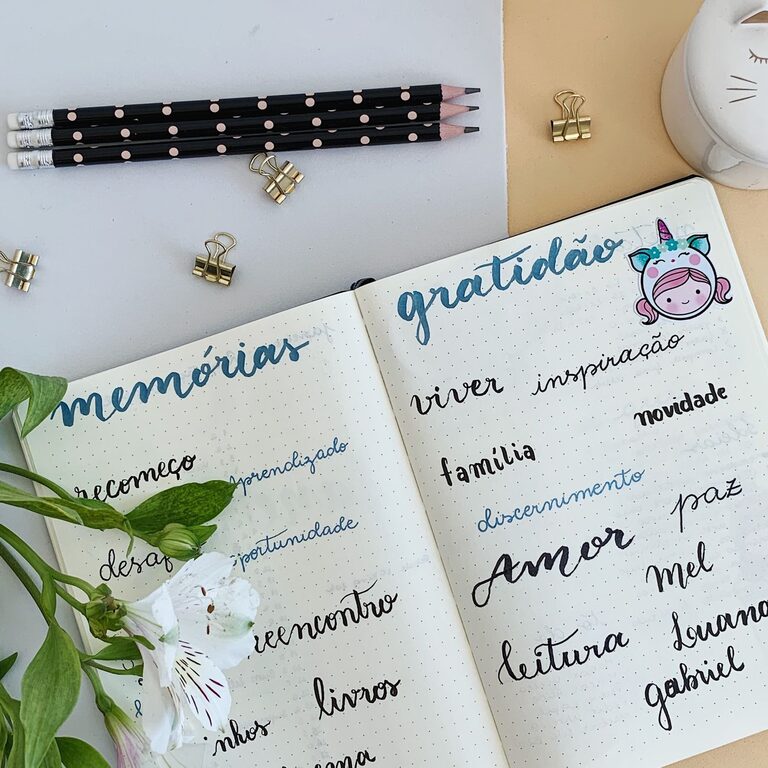
Starting a gratitude journal can be a powerful way to enhance your outlook on life and improve your mental well-being. By regularly acknowledging the positive things in your life, you create a habit that promotes happiness and reduces stress. If you’re wondering how to begin, this guide will walk you through simple steps and helpful tips to get your gratitude journal up and running.
What Is a Gratitude Journal?
A gratitude journal is a personal diary where you regularly write down things you are thankful for. This practice encourages you to focus on the good parts of your life, whether they are big or small. Over time, this habit can shift your mindset to be more positive and appreciative.
Why Keep a Gratitude Journal?
Keeping a gratitude journal has many benefits:
– Enhances positivity: Writing about what you appreciate helps cultivate a positive attitude.
– Reduces stress: Focusing on gratitude can decrease feelings of anxiety and stress.
– Improves sleep: Reflecting on positive moments before bed often leads to better rest.
– Builds resilience: Recognizing good aspects in tough times can strengthen emotional resilience.
– Strengthens relationships: Expressing gratitude can deepen your connection with others.
How to Start Your Gratitude Journal
1. Choose Your Journal
Pick a notebook or journal that you enjoy using. It can be as simple as a plain notebook or a specially designed gratitude journal. Some people prefer digital options like note-taking apps or journaling apps to keep their entries organized and accessible.
2. Set a Regular Time
Decide on a time each day when you’ll write in your journal. Many people find it helpful to journal in the morning to start the day with a positive mindset or in the evening as a reflection before sleep. Choose a time that fits your routine and feels natural.
3. Start Small
When you’re just beginning, aim to write down three to five things you’re grateful for each day. They can be simple, like a warm cup of coffee, or more significant, like the support of a friend. There are no wrong answers—anything meaningful to you counts.
4. Be Specific and Personal
Instead of general statements like “I am grateful for my family,” try to be more detailed: “I’m grateful for the phone call I had with my sister today because it made me laugh.” Being specific helps you connect more deeply with your feelings of gratitude.
5. Include Why You’re Grateful
Adding the reason behind your gratitude can make your journal entries more meaningful. For example, “I’m thankful for the sunny weather because it lifted my mood during my afternoon walk.”
6. Keep It Positive
Focus on positive experiences, moments, or people in your life. While it’s okay to acknowledge challenges, your gratitude journal is meant to highlight the good.
7. Make It a Habit
Consistency is key to getting the most out of gratitude journaling. Try to write every day, even if some days you only have one thing to note. Over time, it will become a natural part of your routine.
Tips for Maintaining Your Gratitude Journal
– Mix it up: Include different types of entries such as things you see, experiences, people, or accomplishments.
– Reflect on past entries: Occasionally reread your previous notes to remind yourself of the good things in your life.
– Add photos or mementos: If you like, paste pictures, ticket stubs, or small keepsakes to complement your writing.
– Use prompts: When stuck, prompts like “Today I appreciated…” or “Something that made me smile was…” can help.
– Practice kindness: Consider writing about acts of kindness you performed or received.
Dealing with Challenges
At times, you might find it hard to think of things to be grateful for, especially during stressful periods. Remember, gratitude doesn’t mean ignoring difficulties; it’s about finding light even in small moments. If you struggle, try to focus on basics like food, shelter, or even the ability to breathe deeply.
Sample Gratitude Journal Entry
Here’s a simple example to inspire your own entries:
Today, I’m grateful for:
– The warm sunshine during my walk because it made me feel energized.
– A kind message from a friend that brightened my afternoon.
– The delicious dinner I cooked, which reminded me of my love for cooking.
Final Thoughts
Starting a gratitude journal is a gentle, effective way to nurture positivity and mindfulness in your daily life. With just a few minutes each day, you can build a habit that helps you focus on the good, appreciate the present, and improve your overall happiness. Give it a try and see how this simple practice can make a big difference.